Summit Safari Lodge
Booked with the climb: two nights at the start and one at the end. The second night is the rest day, a full day off after the long flights so the climb starts rested.

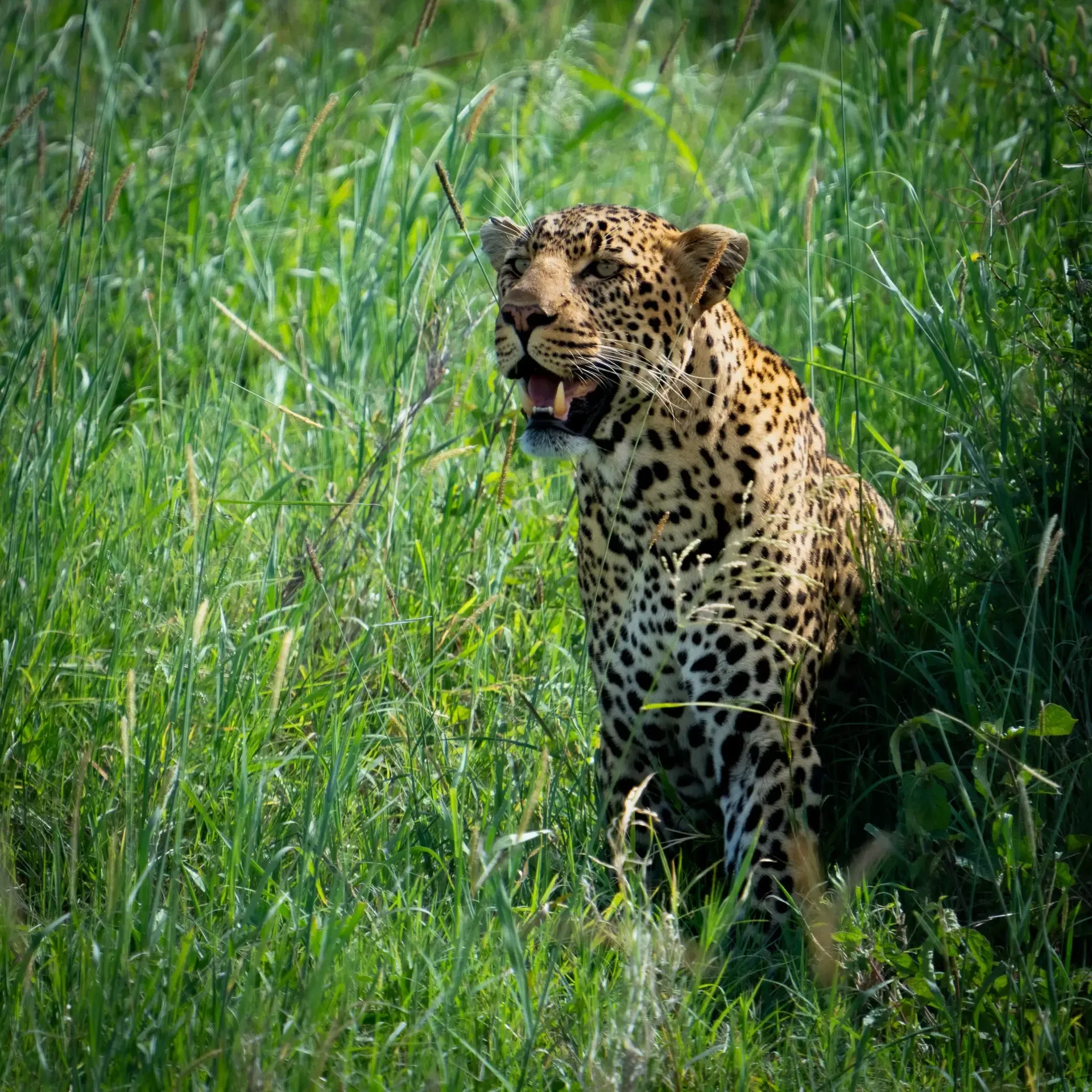
Eight days on Kilimanjaro's Lemosho route after a rest day in Arusha, then a four-day private safari that starts with a bush flight into the Serengeti.
Booked with the climb: two nights at the start and one at the end. The second night is the rest day, a full day off after the long flights so the climb starts rested.
Four nights sleeping between 11,500 and 13,650 feet, then high camp at Kosovo, at 15,978 feet. After the summit we kept going down to Low Mweka Camp instead of stopping higher, which left a short last morning to the gate.
A simpler, more economical glamping camp, placed right in the park for the game drives. On a Tanzania safari you are out from breakfast to dinner, so here the location mattered more than the amenities.
A beautiful lodge for the night after the crater, on the way to Tarangire. The simple camp in the Serengeti and this lodge turned out to be a great combination.
Land at Kilimanjaro International Airport by way of Addis Ababa and settle in at Summit Safari Lodge.
A rest day. No hiking: sleep, food and water after the flights, so the climb starts fresh instead of jet-lagged.
Up the Lemosho route from the west side of the mountain. After the first night, four nights sleeping between 11,500 and 13,650 feet. That slow gain in sleeping altitude is the reason to choose this route.
Up to high camp at Kosovo, 15,978 feet, for food and a short sleep before the night-time start.
The summit, from a night-time start. Back at high camp by mid-morning for a nap and lunch, then on down to Low Mweka Camp rather than stopping at the higher camp.
A short last morning down through the park to the gate.
A bush flight from Arusha to the Seronera airstrip, about an hour instead of seven to eight on the road, then most of the day on a game drive.
A full day on the plains in a 4x4 with a pop-up roof, looking for lions, elephants and the wildebeest herds.
Out of the Serengeti by road and down into Ngorongoro Crater for the day, then the night at a lodge outside the Conservation Area.
Tarangire, known for its baobab trees and big elephant herds, then back to Arusha for the last night.
The flight home.